UK Launches Long Duration Energy Storage Challenge
The UK government has launched a new challenge to develop long-duration energy storage and protect homes from energy price spikes.
- Written by
- Net Zero Home Scheme editorial team
- Last updated
- Topic
- battery storage, energy bills, policy
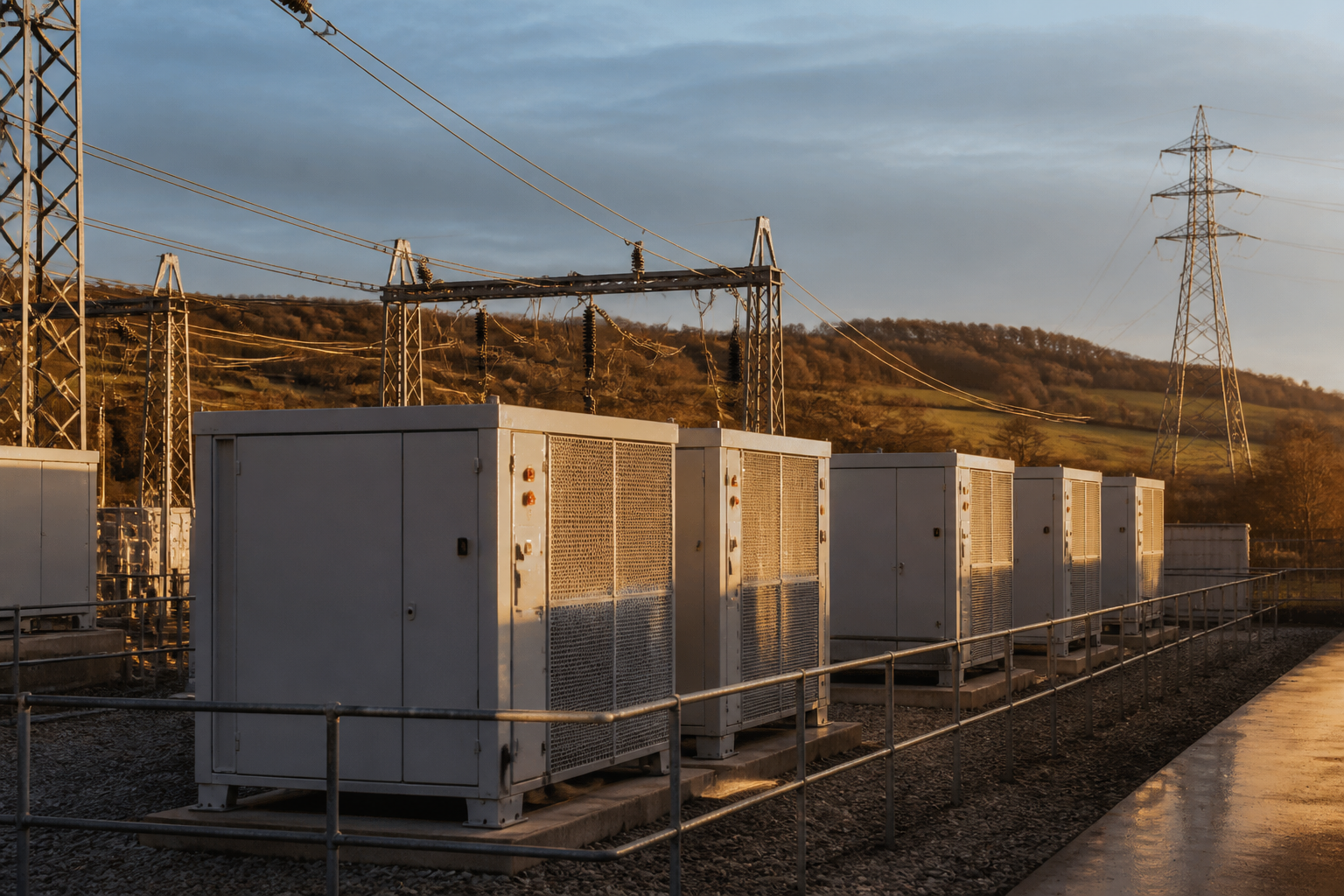
On 20 August 2026, the UK government launched a new innovation challenge aimed at expanding long-duration energy storage across the national grid. The announcement, published by GOV.UK, sets out plans to back technologies that store clean power for extended periods to strengthen energy security and protect households from sudden wholesale price spikes.
The initiative targets storage solutions that operate beyond the standard four-to-eight-hour window provided by lithium-ion battery arrays. By supporting longer-duration technologies such as compressed air, flow batteries, and thermal storage systems, the government intends to capture excess offshore wind and solar generation during low-demand periods and dispatch it during calm, cold spells when grid demand peaks.
What the funding and challenge target
The new initiative from the Department for Energy Security and Net Zero focuses on bridging the operational gap between short-term battery storage and seasonal grid demands. Current grid-scale battery installations predominantly rely on lithium-ion chemistry, which excels at rapid response and frequency regulation over short periods but becomes expensive when scaling capacity to store energy for days or weeks.
The government challenge seeks to demonstrate and commercialise alternative technologies capable of holding hundreds of megawatt-hours of energy cost-effectively. Key technology streams under consideration include:
- Flow batteries, which store energy in liquid electrolyte tanks and can scale storage capacity independently of power output.
- Compressed air energy storage, which uses surplus electricity to pump air into underground caverns, releasing it through turbines during peak hours.
- Liquid air energy storage, which cools air to liquid form at minus 196 degrees Celsius before expanding it to drive power generators.
- Advanced thermal storage systems, which convert electricity into high-temperature heat stored in dense materials for later power generation or industrial heat use.
By providing targeted support to these technologies, the policy aims to reduce grid reliance on natural gas peaking plants, which currently set the marginal price of electricity across Great Britain during peak evening hours.
What the numbers say
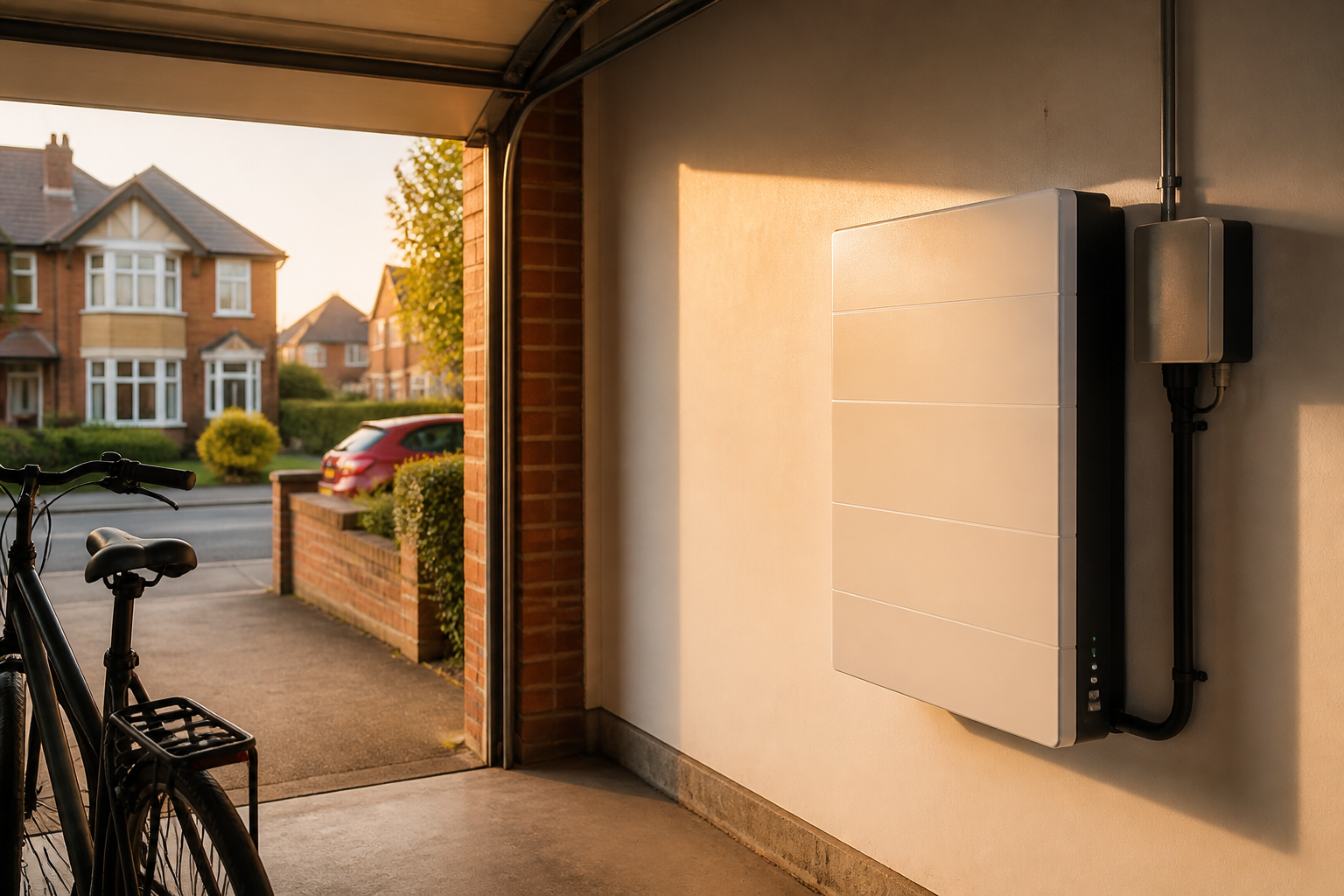
According to the GOV.UK announcement on 20 August 2026, the primary rationale for expanding long-duration energy storage is to reduce long-term system costs and protect consumers from international fossil fuel price shocks.
While exact funding allocations across specific technology tranches remain subject to individual bidding stages, national energy balancing data highlights the scale of the challenge facing the GB power system:
- Curtailment costs: National Grid ESO paid over 1 billion pounds in constraint payments to wind farm operators in 2025 to turn off turbines when grid infrastructure could not transfer surplus generation.
- Storage durations: Conventional domestic batteries typically offer between 5 kWh and 15 kWh of capacity over a 2-hour to 4-hour discharge window, whereas commercial long-duration projects target discharge durations ranging from 8 hours to several weeks.
- Fossil fuel exposure: Gas-fired generation provided between 30 percent and 60 percent of UK electricity on windless winter days in recent years, exposing retail tariffs directly to volatile gas import prices.
| Storage scale | Typical capacity | Primary chemistry or medium | Typical storage duration | Main grid function |
|---|---|---|---|---|
| Home battery systems | 5 kWh to 20 kWh | Lithium iron phosphate | 2 to 6 hours | Tariff arbitrage and self-consumption |
| Commercial short-duration | 1 MW to 100 MW | Lithium-ion | 1 to 4 hours | Frequency response and peak shaving |
| Long-duration challenge tech | 10 MW to 500+ MW | Flow batteries, compressed air, liquid air | 8 hours to several weeks | Inter-day balancing and winter resilience |
Where long-term cost projections for unproven commercial-scale flow or liquid air systems remain uncertain, government documentation plainly notes that capital costs must drop substantially before widespread commercial deployment occurs without subsidy support.
Why grid storage matters for domestic energy tariffs
For UK householders, grid-level energy storage has a direct bearing on the standing charges and unit rates seen on domestic energy bills. Electricity prices in Great Britain are determined by a marginal pricing system where the most expensive generator required to meet demand sets the price for all generators during that half-hour settlement window.
When cold, calm winter weather coincides with high heating demand, expensive open-cycle gas turbines are brought online to meet peak load. Long-duration energy storage breaks this dependency by allowing cheap renewable power generated during windy or sunny spells to be dispatched during these high-cost periods.
Furthermore, reducing grid constraint payments directly lowers network management costs. Network operational charges form a significant portion of standard variable tariffs under the Ofgem energy price cap, meaning lower grid balancing costs ultimately feed through into lower electricity unit rates for all consumers.
What this means for your home
The launch of the government challenge highlights how storage is moving to the centre of the UK energy system. For householders considering clean energy upgrades in 2026, these developments reinforce several practical steps:
- Domestic battery economics remain clear: While long-duration storage tackles grid-scale balancing over days and weeks, domestic battery systems (5 kWh to 15 kWh) remain the most effective tool for daily household energy management, storing cheap off-peak grid power or rooftop solar generation.
- Smart tariff adoption: As grid flexibility improves, energy suppliers continue to expand dynamic and time-of-use tariffs. Installing a smart meter alongside home storage allows households to take immediate advantage of half-hourly price differentials.
- Heat pump integration: Homes pairing heat pumps with thermal cylinders or home batteries can pre-heat hot water or store space heating energy during cheaper off-peak hours, shielding the household from peak rate electricity charges.
- Solar sizing choices: Homeowners choosing solar PV in 2026 should evaluate whether adding a home battery makes financial sense based on their daily baseline consumption, rather than waiting for future grid-level cost reductions to trickle down to retail unit rates.
What this means for employers
Rising grid electricity costs and energy price volatility continue to place financial strain on UK household budgets. For human resources and employee benefits leaders, national energy policy developments highlight the growing demand among staff for practical, long-term ways to reduce domestic living expenses.
Offering support for home energy upgrades has become an increasingly valued part of corporate employee benefit packages. Through the Net Zero Home Scheme, employers can give staff access to member pricing on accredited solar panel systems, home battery storage, heat pumps, and plug-in solar installations across England, Scotland, and Wales. The scheme is completely free for employers to implement, involves no salary sacrifice or payroll deduction, and is delivered by Net Zero Benefits alongside The Electric Car Scheme.
By enabling staff to generate and store their own clean power at reduced installation costs, organisations can support employee financial resilience while demonstrating concrete progress on scope 3 sustainability goals.
Frequently asked questions
Will grid-scale energy storage lower home energy bills immediately?
No. Grid-scale long-duration energy storage projects take several years to plan, construct, and integrate into the national transmission system. While the challenge launched on 20 August 2026 will accelerate deployment, noticeable impacts on retail unit rates and Ofgem price cap calculations will develop gradually as capacity comes online later in the decade.
How does long-duration storage differ from a standard home battery?
Standard home batteries use lithium iron phosphate chemistry designed to discharge over a few hours to cover peak evening household consumption. Long-duration grid storage uses technologies like flow batteries, compressed air, or liquid air to store vast quantities of energy for days or weeks, balancing national demand across extended periods of low wind or solar output.
Should I wait for grid storage improvements before installing home solar or batteries?
Waiting is generally not advised if your goal is to reduce current electricity bills. Domestic solar and battery systems deliver immediate savings by reducing the amount of grid electricity your home buys during expensive peak hours, whereas national grid improvements work in the background to stabilize baseline market pricing over longer timeframes.