Thermally Regulated Eco Homes Featured in UK Property Showcase
A report published on 21 August 2026 showcases UK eco homes designed to stay cool in summer using passive cooling, high thermal mass, and solar integration.
- Written by
- Net Zero Home Scheme editorial team
- Last updated
- Topic
- energy efficiency, home energy, solar
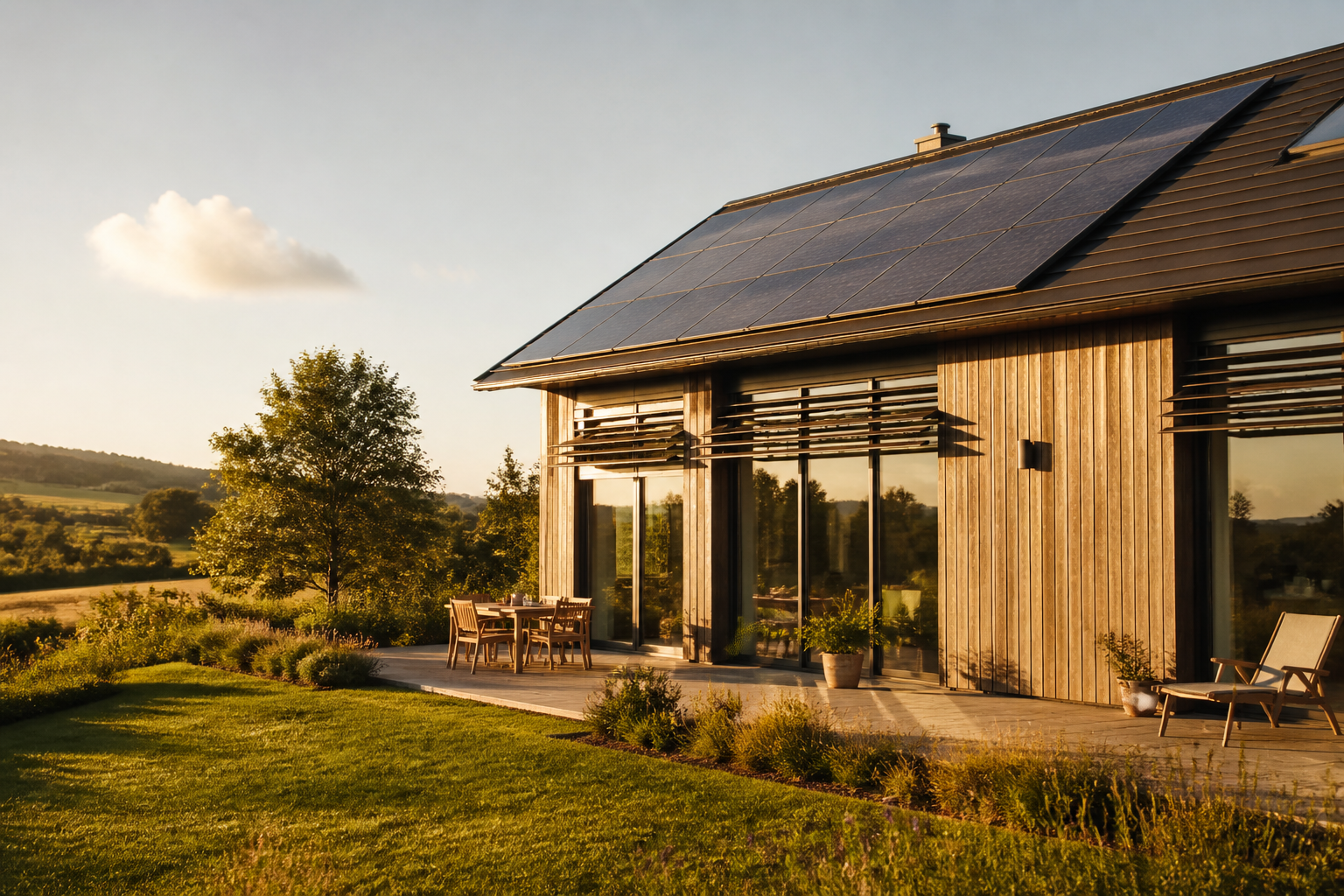
On 21 August 2026, The Guardian published a market showcase highlighting energy-efficient eco homes currently listed for sale across England and Wales, focusing specifically on properties designed to maintain cool interior temperatures during high summer heat without relying on energy-intensive air conditioning units. The coverage detailed a range of properties, from triple-glazed barn conversions in Welsh valleys to thermally regulated modern urban homes in London, reflecting a growing consumer and developer focus on climate resilience and summer comfort.
This development signals a shift in the UK residential property market, where thermal performance during extreme summer heat is becoming as critical to buyers as winter heat retention. For householders evaluating upgrades to their existing properties, the focus on passive cooling, high-performance insulation, shading, and microgeneration offers a clear blueprint for lowering operational energy costs year round.
What the numbers say
As reported by The Guardian on 21 August 2026, the featured properties combine structural design elements with low-carbon technology to maintain stable internal temperatures. Key operational metrics and building performance benchmarks highlighted across modern UK eco-home developments include:
- Glazing Performance: Triple-glazed window units in modern eco builds achieve U-values as low as 0.8 W/m²K, reducing both winter heat loss and summer radiant heat transfer compared to standard double glazing at 1.2 to 1.4 W/m²K.
- Solar Control: External shading systems, including deep eaves and solar control coatings, reduce direct solar heat gains by up to 80% during peak sun hours, maintaining indoor comfort without mechanical refrigeration.
- Ventilation Exchange: Mechanical Ventilation with Heat Recovery (MVHR) systems operating in summer bypass mode provide continuous background ventilation while rejecting excess indoor heat during warmer periods.
- Microgeneration Support: Solar PV arrays paired with home battery storage offset internal daytime electrical loads, powering active ventilation and home electronics from self-generated energy.
| Design Feature | Technical Target / Standard | Primary Thermal Benefit | Operational Impact |
|---|---|---|---|
| Triple Glazing | U-value ≤ 0.8 W/m²K | Low thermal transmittance | Reduces radiant heat gain in summer and heat loss in winter |
| High Thermal Mass | Concrete, brick, or stone interiors | High heat capacity absorption | Dampens daily temperature peaks by absorbing excess heat |
| External Shading | Brise soleil, shutters, deep eaves | Blocks high-angle summer sun | Prevents direct solar gain through south and west glazing |
| MVHR with Bypass | Part F / Part O Compliance | Controlled night-time purge ventilation | Expels warm indoor air overnight without compromise to security |
| Solar PV & Storage | MCS accredited installation | Renewable self-consumption | Offsets daytime electrical loads for fans or cooling equipment |
Engineering homes for summer cooling and winter retention
Achieving summer comfort in the UK climate requires a balanced approach to thermal dynamics. Under Building Regulations Part O, which came into force to address overheating risks in domestic buildings, new developments must limit unwanted solar gains and provide adequate means to remove excess heat. High levels of fabric insulation, while essential for space heating efficiency in winter, can trap internal heat generated by appliances, lighting, and occupants if ventilation and shading are neglected.
Thermal mass plays a vital role in passive cooling strategy. Materials such as exposed concrete, dense brickwork, or screed floors act as thermal buffers, absorbing excess indoor heat during daytime hours and releasing it gradually as external temperatures fall overnight. When combined with secure night purge ventilation, this approach maintains stable internal conditions without the high running costs associated with retrofitted air conditioning units.
Furthermore, modern solar control glass uses specialized microscopic coatings to reflect long-wave infrared radiation while admitting visible daylight. Selecting glazing with a low g-value, which measures the solar factor or proportion of solar energy transmitted through the glass, enables larger window apertures on south-facing elevations without exposing living spaces to excessive thermal gains.
What this means for your home
If you are evaluating energy efficiency retrofits or considering buying an energy-efficient home in England or Wales, the market focus on thermal regulation highlights several practical steps to improve year-round energy performance:
- Assess Shading Before Cooling: Before installing energy-consuming air conditioning, evaluate passive shading options such as external blinds, awnings, or solar control window films. Reducing solar gain at the external building envelope is significantly more cost-effective than removing heat after it enters the dwelling.
- Optimize Solar PV and Battery Integration: Homes equipped with rooftop solar PV generate peak electricity precisely when cooling demand or mechanical ventilation needs are highest. Adding battery storage allows generated energy to power home ventilation and evening baseloads, improving self-consumption metrics under standard Smart Export Guarantee (SEG) arrangements.
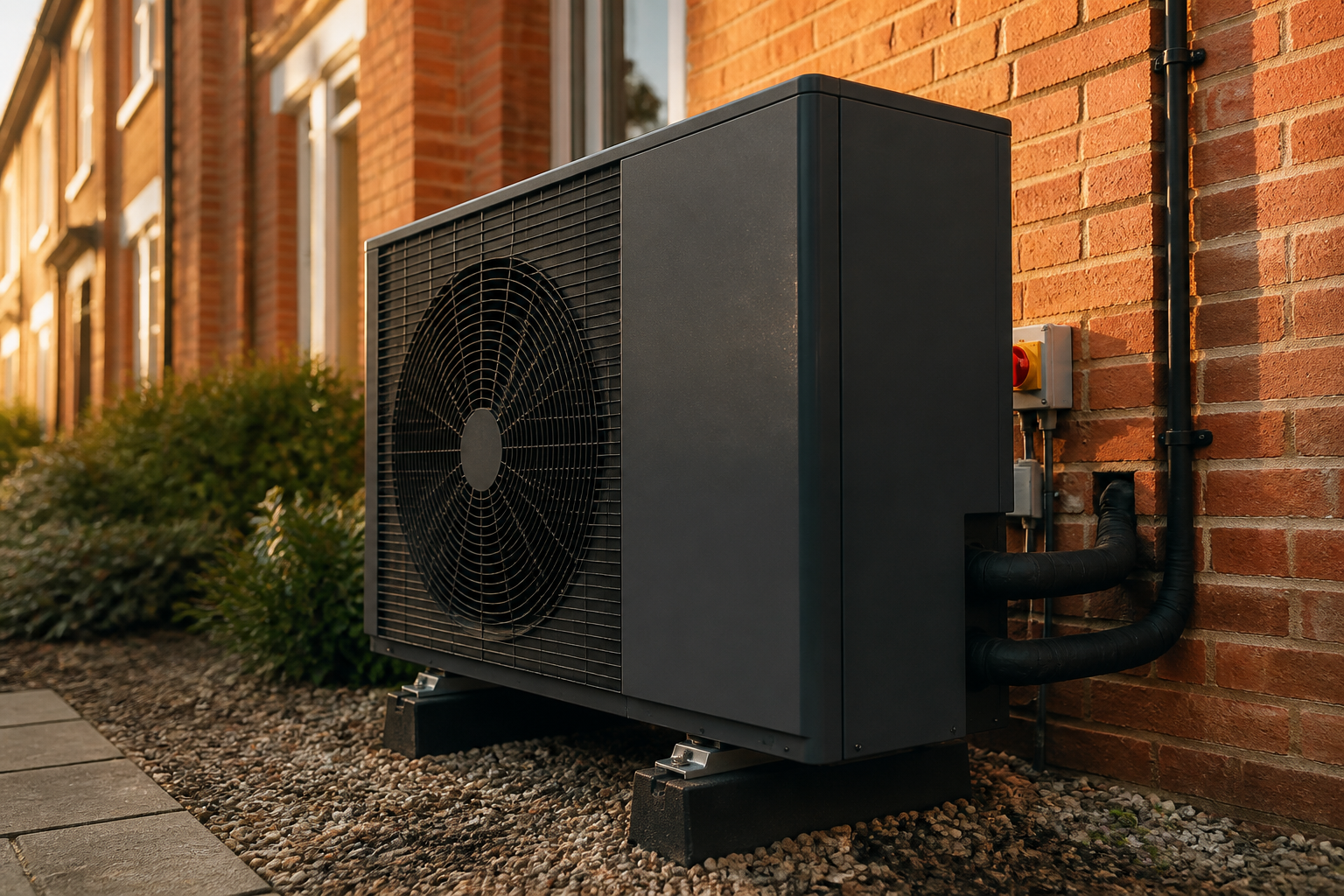
- Pair Heat Pumps with Smart Controls: Modern air source heat pumps compliant with MCS standards can provide efficient heating in winter and, when configured with suitable emitters like fan coils or underfloor systems, low-temperature space cooling in summer. Ensure your heating system design includes weather compensation controls to maintain optimal seasonal performance.
- Upgrade Insulation with Ventilation in Mind: Fabric upgrades must adhere to PAS 2035 retrofitting standards to prevent condensation and unintended summer heat retention. Ensure draught-proofing measures are paired with controlled trickle vents or mechanical ventilation systems certified to NICEIC standards.
What this means for employers
As extreme weather patterns increase interest in residential climate resilience, employees are looking for clear, actionable support to upgrade their living conditions and manage long-term household running costs. Thermal discomfort during heatwaves directly affects remote and hybrid workers, making domestic energy performance a key factor in employee wellbeing and productivity.
HR, reward, and sustainability leaders can respond by offering practical benefits that make home energy upgrades accessible. To support staff seeking to upgrade their properties, employers can introduce benefits like the Net Zero Home Scheme, which gives employees access to member pricing on accredited solar panel, heat pump, battery storage, and plug-in solar installations at zero cost to the organisation. Offering tangible solutions helps employees lower energy bills, protect their homes against seasonal temperature extremes, and support broader corporate carbon reduction objectives.
Frequently asked questions
Can retrofitting solar panels help lower summer indoor temperatures?
Rooftop solar panels absorb solar radiation that would otherwise directly heat the roof structure, providing a physical shading effect that slightly reduces roof space temperatures. Additionally, the zero-carbon electricity generated can power mechanical fans, ventilation systems, or cooling devices without increasing daytime electricity bills.
Do UK building regulations require new homes to prevent summer overheating?
Yes, Part O of the Building Regulations in England and Wales sets strict limits on solar heat gains and requires adequate ventilation capacity to remove excess internal heat in new residential buildings. Compliance is measured using simplified method checks or dynamic thermal modelling software.
Is air conditioning necessary for UK homes built to high energy efficiency standards?
In most well-designed eco homes, mechanical air conditioning is unnecessary. By combining external shading, high-performance glazing, thermal mass, and night-time purge ventilation, modern properties can maintain comfortable indoor temperatures throughout standard UK summer heatwaves passively.