DESNZ Grants Consent for Beacon Fen Solar and Battery Park
DESNZ has granted development consent for Beacon Fen Energy Park, approving utility-scale solar PV and battery storage in Lincolnshire.
- Written by
- Net Zero Home Scheme editorial team
- Last updated
- Topic
- solar, battery storage, policy
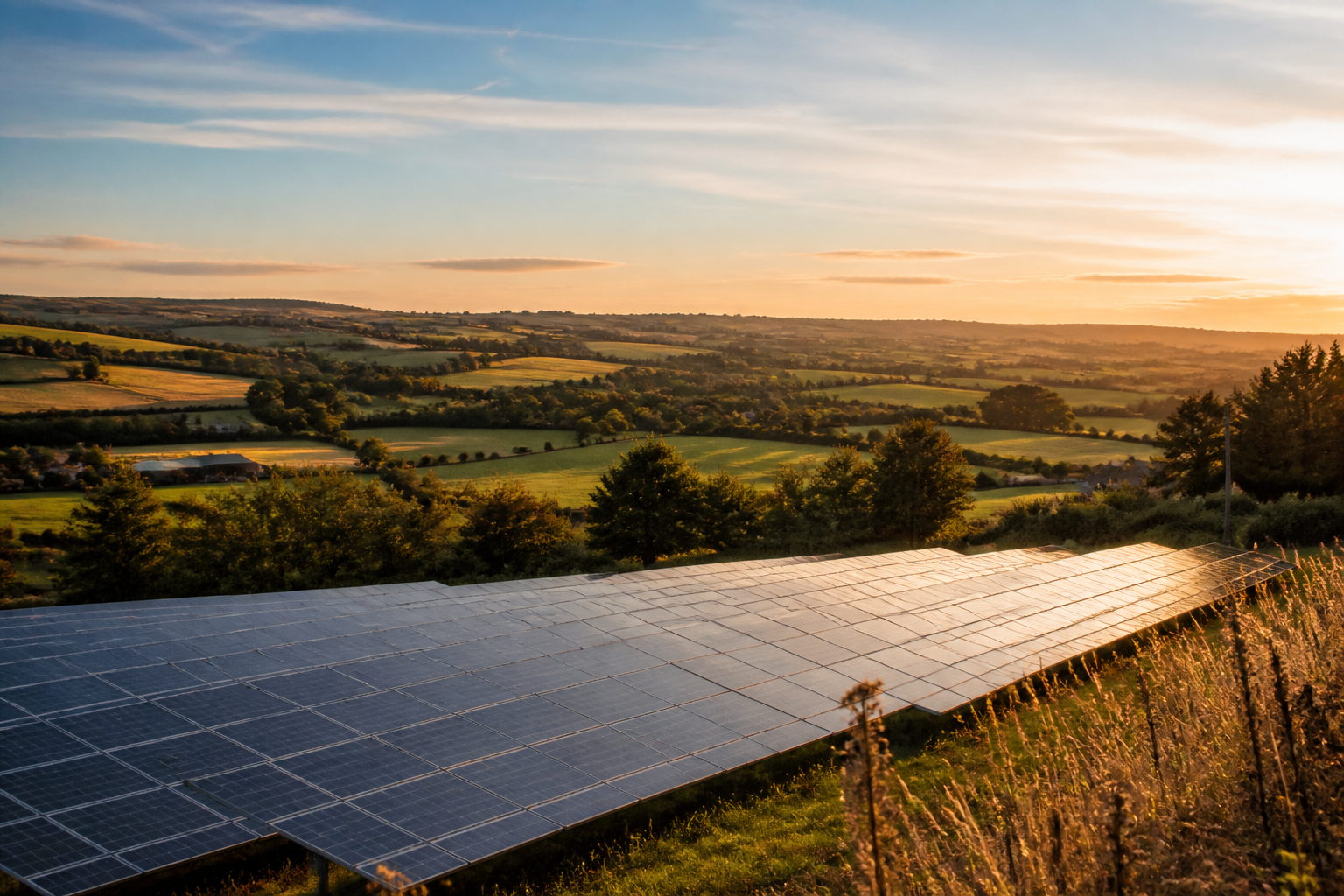
The Department for Energy Security and Net Zero granted development consent for the Beacon Fen Energy Park on 21 August 2026, as published on GOV.UK. The Development Consent Order provides full planning permission for a large-scale solar photovoltaic generation facility alongside co-located battery energy storage system infrastructure in Lincolnshire.
According to the GOV.UK announcement on 21 August 2026, the decision follows an extensive examination process by the Planning Inspectorate under the Nationally Significant Infrastructure Project framework. The approval takes immediate effect for project planning purposes, allowing the developer to begin discharging pre-construction requirements, finalising grid connection arrangements with National Grid Electricity System Operator, and securing procurement contracts for solar modules and energy storage equipment.
Who the decision applies to and what changed
The granting of the Development Consent Order applies directly to the project developers, local planning authorities across Lincolnshire, National Grid, and regional distribution network operators. By securing consent at the ministerial level, the project bypasses standard municipal planning committee procedures, establishing a legally binding framework for compulsory acquisition powers, environmental mitigation obligations, and highway access rights.
For the UK energy market, the decision reinforces the government strategy of accelerating large-scale solar and co-located storage deployment to achieve clean power goals. The approval sets out specific binding requirements regarding biodiversity net gain, soil management during construction, heritage asset protection, and decommissioning obligations after the operational lifespan of the installation.
What the numbers say
Official figures published by GOV.UK on 21 August 2026 and related planning documentation set out the scale of the decision:
- Consent date: 21 August 2026, as recorded in the official decision letter published on GOV.UK.
- Planning regime: Classified as a Nationally Significant Infrastructure Project due to an intended generation capacity exceeding 50 MW.
- Infrastructure mix: Combined utility-scale solar PV array and battery energy storage system designed to discharge electricity during periods of peak demand.
- Examination period: Completed within the statutory timelines set by the Planning Act 2008 prior to the ministerial determination on 21 August 2026.
Where detailed operational timelines or final MW output splits remain subject to commercial tender and grid access schedules, the planning inspectorate report notes that final details will be confirmed during the discharge of requirements stage.
How national infrastructure decisions shape grid capacity
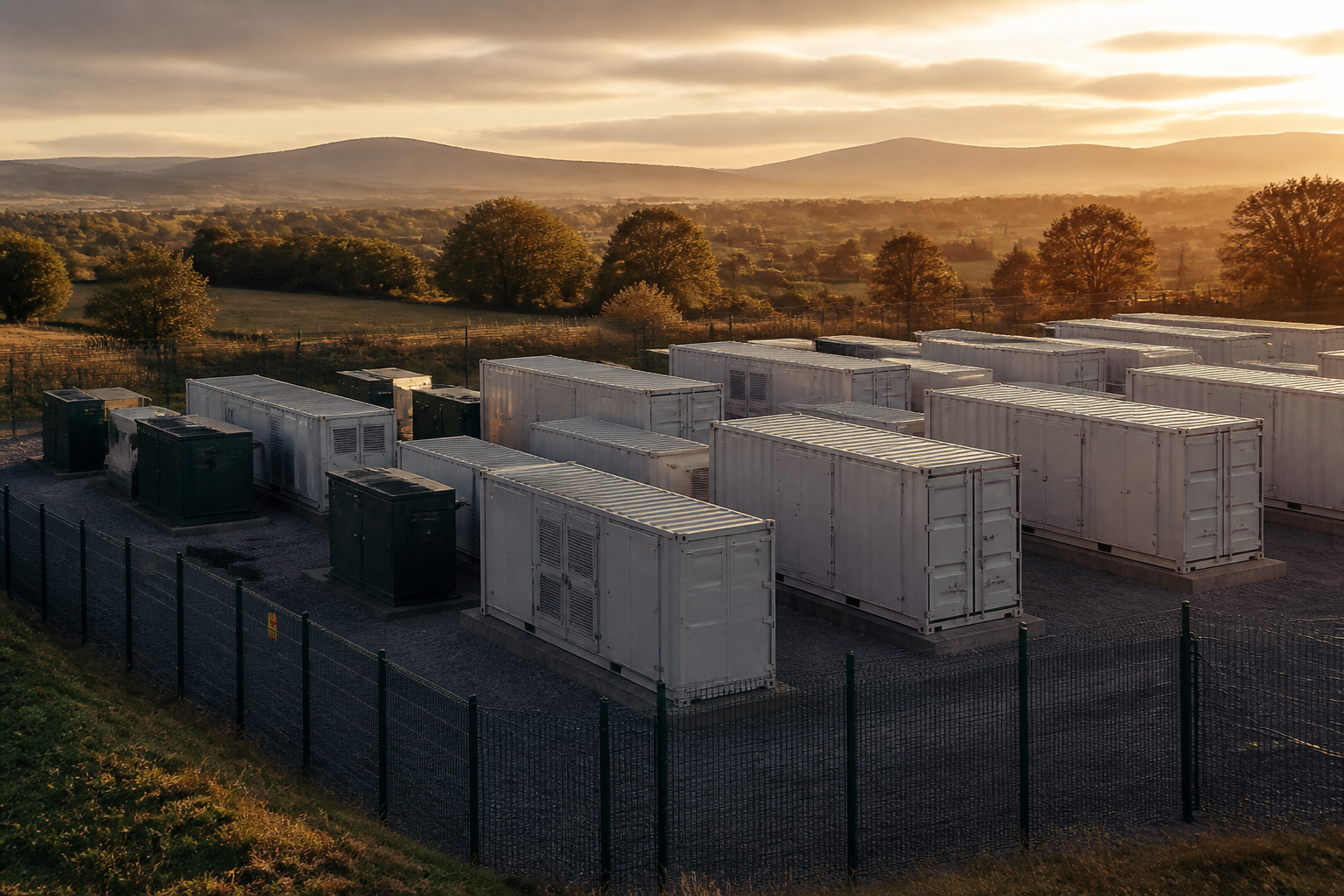
Large-scale solar and battery developments play a distinct role in the UK electricity network compared to distributed domestic systems. While rooftop solar PV generates clean power directly at the point of consumption, utility-scale developments like Beacon Fen feed directly into the high-voltage transmission grid.
Co-locating battery storage alongside solar arrays allows excess generation during sunny midday hours to be stored and dispatched during evening peak demand periods between 16:00 and 19:00. This operational flexibility helps mitigate grid congestion and reduces reliance on gas-fired peaker plants, which historically drive up wholesale market clearing prices.
| Planning and Operational Milestone | Framework Requirement | Market Impact |
|---|---|---|
| Ministerial Approval | Granted by DESNZ on 21 August 2026 via GOV.UK | Authorises compulsory rights and land use |
| Requirement Discharge | Submitted to local authorities post-consent | Finalises traffic, noise, and ecology plans |
| Grid Interconnection | Managed via National Grid Electricity Transmission | Connects generation to national grid lines |
| Commercial Operation | Phased commissioning post-construction | Injects zero-carbon power into wholesale market |
What this means for your home
While ministerial planning decisions for utility-scale infrastructure apply to commercial developers, national solar and battery expansion directly impacts household energy economics and system choices.
First, expanded clean generation on the national grid helps stabilise wholesale electricity costs over the medium term. However, transmission-level solar farms do not eliminate the standing charges or network distribution fees that make up a significant portion of domestic electricity bills. Generating your own power at home remains the most direct way to insulate your household from network charges and variable retail tariffs.
Second, the decision underscores the growing importance of co-located battery storage. Just as grid-scale projects pair solar panels with batteries to capture daytime generation for evening use, domestic battery storage allows households with rooftop solar PV to store excess generation produced between 10:00 and 15:00. This stored energy can then power household appliances, heat pumps, or lighting during expensive evening peak hours.
Third, for households unable to install traditional rooftop solar PV due to roof orientation, structural constraints, or tenancy agreements, broader energy policy changes continue to expand access to renewables. Plug-in solar systems offer a lower-cost alternative for renters and flat owners, allowing generation from balconies or patios to offset daytime baseload electricity consumption. Pairing domestic solar or plug-in modules with smart energy habits maximises self-consumption and shortens investment payback periods.
What this means for employers
For HR, reward, and employee benefits leaders, national energy policy news highlights ongoing workforce attention on household running costs and sustainability. As public discussion around renewable infrastructure and energy bill stability continues, employees increasingly look for practical options to reduce home energy expenditure.
Workplace sustainability initiatives are moving beyond general awareness toward tangible benefits that help staff lower their utility bills. Offering accessible home energy solutions helps organisations demonstrate genuine environmental commitment while delivering practical financial support to employees facing high energy costs.
Employers seeking to support staff with rising living costs can offer the Net Zero Home Scheme, a free employee benefit delivered by Net Zero Benefits alongside The Electric Car Scheme that provides member pricing on accredited solar, heat pump, battery storage, and plug-in solar installations with no salary sacrifice or payroll deduction.
Frequently asked questions
Does a major solar farm decision affect local household planning permissions?
No. Ministerial decisions on Nationally Significant Infrastructure Projects like Beacon Fen apply solely to the specific commercial development site. Domestic installations of rooftop solar panels, home battery storage, or heat pumps fall under local permitted development rights or standard municipal planning rules, independent of utility-scale infrastructure approvals.
How do utility-scale solar parks impact domestic energy tariffs?
Utility-scale solar farms increase the supply of low-cost renewable generation on the national transmission grid. While this exerts downward pressure on wholesale electricity prices over time, household retail tariffs also reflect network distribution costs, environmental levies, and supplier margins. Generating power locally with home solar PV provides direct reduction of retail electricity purchases.
Why is battery storage combined with large-scale solar projects?
Solar PV generation naturally peaks during midday hours when solar irradiance is highest. Combining solar arrays with battery storage enables project operators to store excess power generated during sunny periods and dispatch it during evening hours when electricity demand peaks. This co-location improves grid stability and maximises the financial value of the generated energy.