Report Calls for Low Interest Solar Loans for UK Homes
A new report urges ministers to launch government-backed solar bonds to lower interest rates on home solar loans and reduce household energy bills.
- Written by
- Net Zero Home Scheme editorial team
- Last updated
- Topic
- solar, energy bills, policy
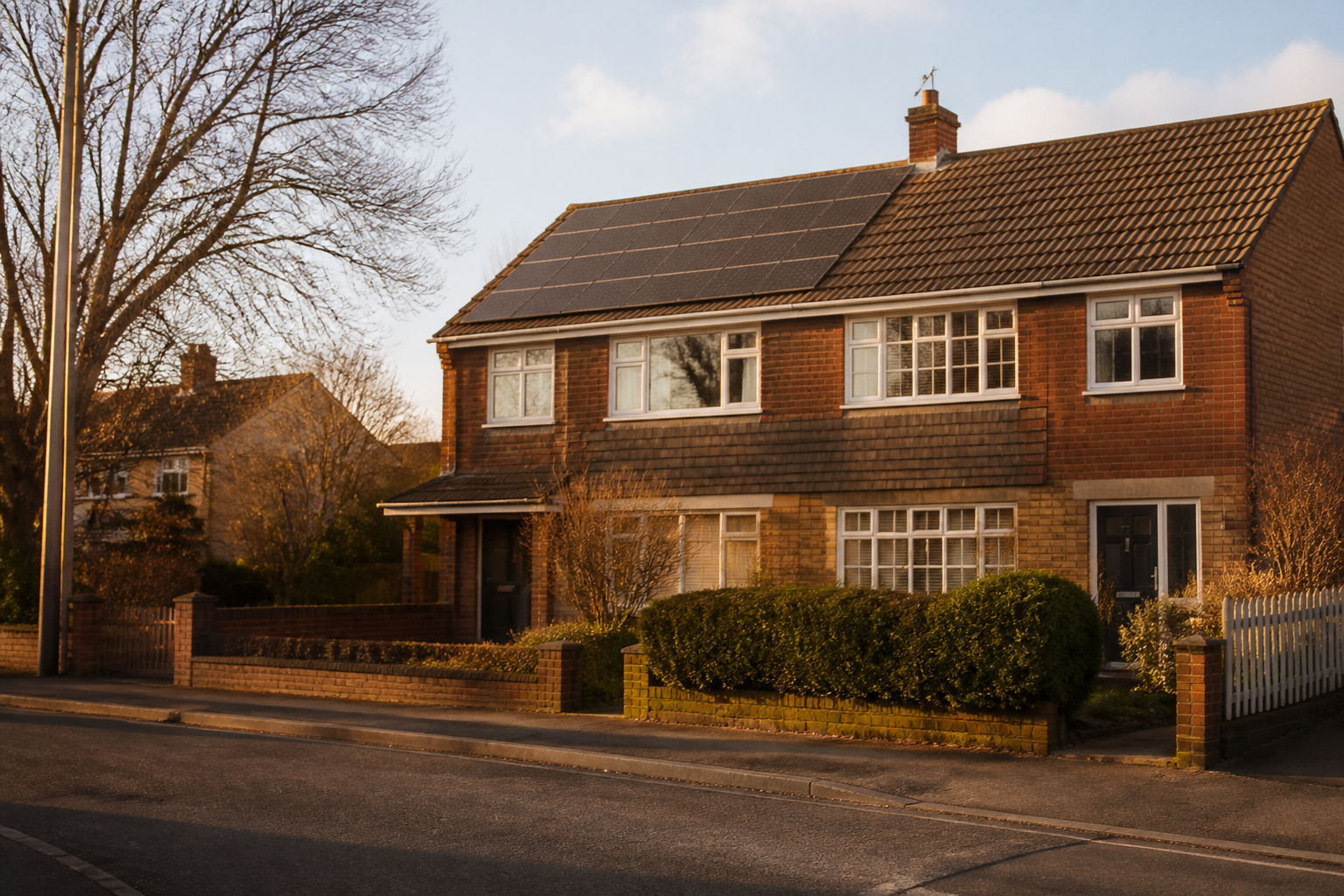
Ministers are facing fresh calls to step in and cut the cost of loans for home solar panel installations to help lower-income households reduce their annual energy bills. A report covered by The Guardian on 21 August 2026 argues that government-backed financing, including dedicated solar bonds, could significantly lower interest rates for householders seeking clean energy technology.
The policy proposal aims to address a persistent gap in the UK home energy market, where high upfront capital costs prevent low and middle-income families from accessing long-term bill savings. While installing rooftop solar panels can save a household hundreds of pounds every year in electricity costs, the upfront price tag of £5,000 to £10,000 remains a barrier for those without substantial savings or access to cheap credit.
What the numbers say
Figures published by The Guardian on 21 August 2026 highlight the upfront barrier and potential savings associated with domestic solar installations in Great Britain:
- Typical upfront installation costs for domestic solar PV systems currently range between £5,000 and £10,000 depending on array size and roof complexity.
- Solar panel installations generate annual electricity savings worth hundreds of pounds per household under current grid tariffs.
- Standard commercial borrowing rates for personal clean-energy loans often add substantial interest costs, extending payback periods for families reliant on finance.
| Financing Route | Initial Outlay | Typical Interest or Fee Structure | Impact on Household Cash Flow |
|---|---|---|---|
| Outright Cash Purchase | £5,000 to £10,000 | Zero borrowing costs | Full bill savings retained immediately, requires liquid capital |
| Commercial Unsecured Loan | £0 upfront | Standard personal loan rates (8% to 15% APR) | Loan repayments can exceed initial monthly bill savings |
| Proposed Government Solar Bond | £0 upfront | Subsidised low-interest rate | Monthly repayments designed to be lower than monthly energy savings |
| Workplace Member Scheme | Discounted upfront | Preferential partner rates without payroll deduction | Reduced capital outlay shortens total payback period |
Why financing costs dictate home energy payback
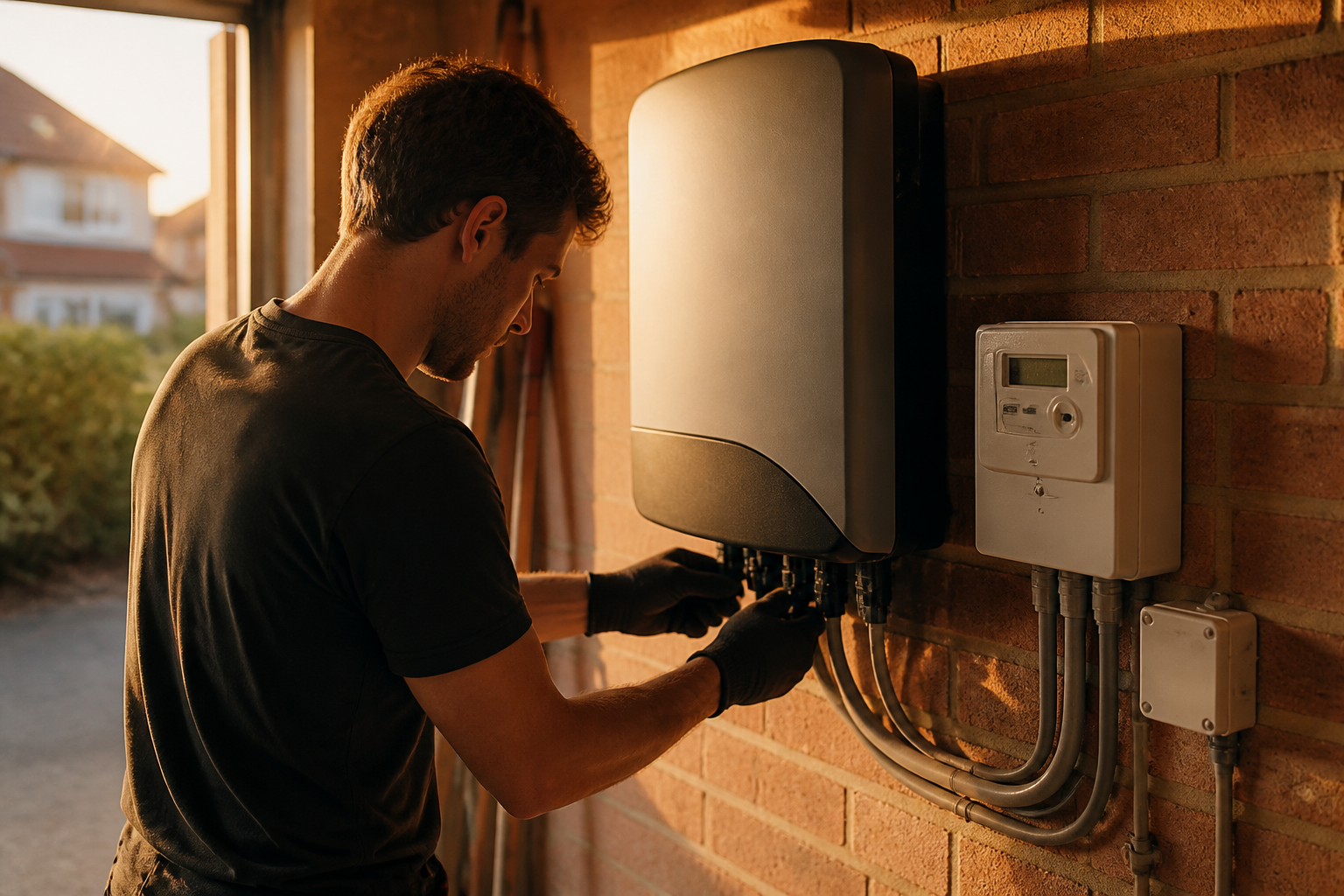
The financial economics of domestic solar PV depend heavily on the cost of capital. For an average UK home installing a 4 kWp solar system, direct generation covers a substantial portion of day-to-day electricity demand, with excess power exported to the grid through the Smart Export Guarantee. However, when a householder finances an installation through high-interest credit cards or high-APR personal loans, annual interest charges can absorb much of the bill savings generated by the panels.
The report highlighted by The Guardian on 21 August 2026 suggests that issuing government-backed solar bonds could allow lenders to offer interest rates closer to baseline gilt yields. Lowering finance charges ensures that the monthly energy savings exceed the monthly loan repayment from day one, turning home renewables into a cash-flow positive investment for broader segments of the population.
In addition to array costs, home energy systems frequently incorporate battery storage to capture daylight generation for evening use, or heat diverters to supply domestic hot water cylinders. When financing costs are high, adding a £2,500 to £4,000 storage battery becomes difficult to justify, even though integrated systems deliver higher self-consumption rates and greater protection against fluctuating grid prices.
What this means for your home
For UK homeowners and private tenants considering clean energy upgrades, financing terms play as crucial a role as hardware performance. If ministers adopt recommendations to support low-cost solar loans, borrowing costs for domestic retrofits could fall over the coming years.
Householders planning an installation in the short term should evaluate several operational factors before deciding how to fund their system:
- Assess system sizing against household baseload electricity consumption, measured in kilowatt-hours, rather than simply maximising roof space.
- Ensure all quotes come from installers certified by the Microgeneration Certification Scheme, which is mandatory for accessing Smart Export Guarantee export tariffs.
- Check electrical safety and grid connection requirements, ensuring the installer submits the appropriate G98 or G99 notification to the local Distribution Network Operator.
- Compare total borrowing costs across loan options, factoring in fixed arrangement fees and early repayment flexibility.
- Evaluate whether pairing solar panels with battery storage or a hot water diverter aligns with your household tariff structure.
Where low-cost public finance is not yet available, reducing the upfront purchase price through accredited group-buying frameworks or discounted schemes remains the most effective way to lower payback periods.
What this means for employers
Rising energy costs continue to exert pressure on household budgets across the UK. For HR, reward, and sustainability professionals, employee financial wellbeing is directly linked to household fixed costs. When domestic utility expenses rise, staff increasingly look to workplace benefit packages for practical support that delivers genuine long-term savings.
While corporate sustainability reporting often focuses on Scope 1 and Scope 2 operational emissions, employee commuting and home working contribute to broader Scope 3 footprints. Providing access to discounted home energy installations helps workers lower their personal carbon emissions while easing daily cost of living pressures.
Employers exploring ways to support staff without incurring administrative burdens or capital expenditure can look to specialized employee platforms. The Net Zero Home Scheme offers a zero-cost route for employers to provide staff with member pricing on accredited solar, battery storage, heat pump, and plug-in solar installations, involving no salary sacrifice or payroll administration.
As national debate around clean energy financing grows, offering practical tools that lower the barrier to home energy retrofits strengthens employer value propositions and supports financial resilience across workforce demographics.
Frequently asked questions
How much does a standard domestic solar panel system cost in the UK?
According to reporting by The Guardian on 21 August 2026, standard domestic solar PV installations typically cost between £5,000 and £10,000. Actual pricing depends on total array capacity, roof pitch, scaffolding access, inverter type, and whether domestic battery storage is included in the installation.
How do higher interest rates affect solar panel payback periods?
When solar panel installations are funded through high-interest commercial borrowing, interest payments add to the total capital outlay. High finance costs can extend payback periods by several years because a significant portion of annual electricity bill savings goes toward servicing loan interest rather than paying down the hardware cost.
What standards should UK householders look for when installing solar panels?
Householders should ensure their installation is completed by an installer registered with the Microgeneration Certification Scheme and a recognized consumer code such as RECC or HIES. Electrical work must comply with BS 7671 standards, and grid notification under G98 regulations must be submitted to the local Distribution Network Operator.