How RdSAP 10 Measures Home Energy Upgrades on EPC Ratings
An analysis of how RdSAP 10 assesses heat pumps, solar PV, and insulation, and how homeowners can ensure retrofits translate into higher EPC ratings.
- Written by
- Net Zero Home Scheme editorial team
- Last updated
- Topic
- energy efficiency, policy, regulation

Every existing home in England, Scotland, and Wales assessed for an Energy Performance Certificate (EPC) relies on the Reduced Data Standard Assessment Procedure (RdSAP). Maintained by the Building Research Establishment on behalf of the Department for Energy Security and Net Zero, RdSAP calculates standardized energy running costs, primary energy use, and carbon emissions per square metre of floor area. Following the rollout of RdSAP 10, the methodology updated how home heat, renewable generation, and insulation retrofits are evaluated. Understanding how RdSAP processes clean technology installations helps householders and landlords protect their EPC ratings and avoid uncredited home improvements.
What is RdSAP and how does it calculate your EPC score?
RdSAP is a simplified subset of the Standard Assessment Procedure (SAP) designed specifically for existing residential dwellings. Because Domestic Energy Assessors cannot perform invasive inspections into wall cavities or under floorboards during a standard site visit, RdSAP relies on standardised software assumptions based on the age, geographical location, and property type of the building.
An EPC display score ranges from 1 to 100 on an alphabetical scale from G to A. This metric, known as the Energy Efficiency Rating, measures estimated running costs per square metre based on standardised fuel prices. Under RdSAP 10, assessments also record Environmental Impact ratings based on carbon dioxide emissions, alongside total primary energy use in kilowatt-hours per square metre per year. When clean energy technologies such as heat pumps, solar photovoltaic panels, or high performance insulation are added to a property, RdSAP adjusts the calculation model. However, because assessors operate under strict Conventions published by the RdSAP Conventions Group, clean energy improvements can only be factored into the rating if clear, physical, or documentary proof is provided during the assessment visit.
How clean technology is evaluated under RdSAP 10
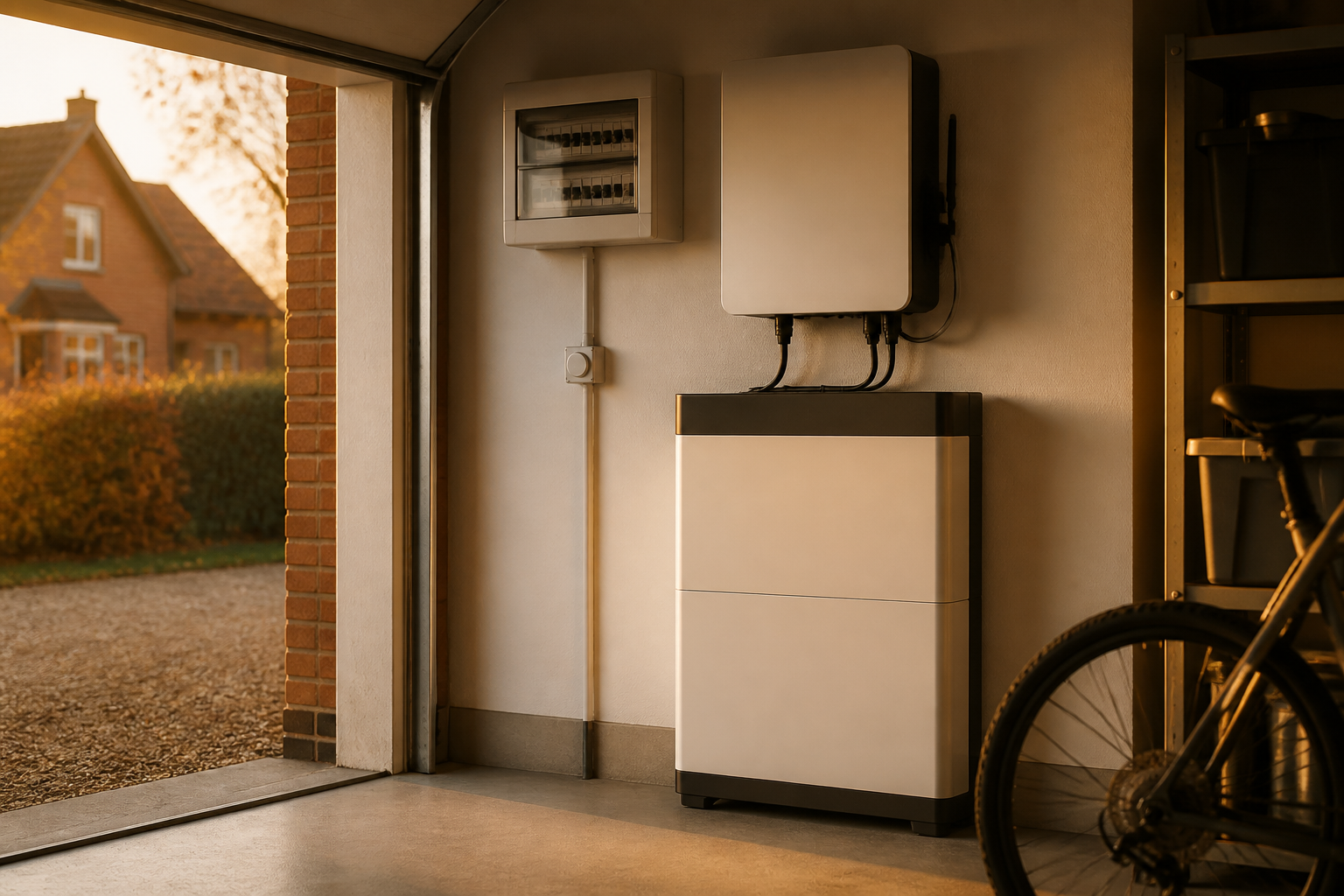
The update to RdSAP 10 introduced substantial changes to how low carbon heating systems, renewable energy, and building fabric improvements are scored within the software model.
Heat pumps and seasonal efficiency
In earlier RdSAP versions, air source and ground source heat pumps were frequently assigned conservative default Seasonal Performance Factor (SPF) values if exact product details were unavailable. RdSAP 10 links directly to the Product Characteristics Database (PCDB), which stores verified performance data for specific heat pump models certified under schemes like the Microgeneration Certification Scheme (MCS). When an assessor inputs the exact make, model, and design flow temperature, RdSAP calculates seasonal efficiency based on actual manufacturer testing. Systems operating at lower flow temperatures, such as 35°C or 45°C, receive higher efficiency ratings than those configured for high-temperature flow rates.
Solar PV, battery storage, and self-consumption
RdSAP 10 evaluates solar PV systems using peak array capacity measured in kilowatt-peak (kWp), alongside roof orientation, tilt angle, and overshading factors. Unlike older calculation models that assumed a fixed proportion of generated electricity was exported to the electricity grid, RdSAP 10 accounts for home battery storage when installed alongside PV arrays. When a home battery is present, the software calculation assumes a higher percentage of solar electricity is consumed on site, directly offsetting grid electricity purchases in the running cost calculation.
Wall, roof, and floor insulation
Insulation retrofits are assessed either by measuring the improved U-value directly or by recording the added insulation thickness in millimetres. If cavity wall, external wall, or suspended floor insulation is installed without documentary proof, assessors are bound by RdSAP rules to enter default values corresponding to the original construction year of the property. This restriction can leave a fully insulated property with an inaccurate EPC score.
Documentation needed for an accurate EPC score
To ensure an energy assessor credits every clean technology installation, homeowners must present verifiable evidence. Assessors are forbidden under standard audit guidelines from taking verbal assurances or assuming concealed details.
| Technology Installed | Required Evidence for Assessor | RdSAP Calculation Impact |
|---|---|---|
| Heat Pumps | MCS installation certificate, commissioning sheet showing design flow temperature | Applies verified PCDB efficiency instead of conservative default SPF |
| Solar PV | MCS certificate, inverter serial number, total peak capacity (kWp) | Credits actual installed capacity and panel shading metrics |
| Home Battery Storage | Technical datasheet, installation invoice showing usable kWh capacity | Increases modeled solar PV self-consumption factor |
| Cavity / Solid Wall Insulation | Guarantee document (CIGA, SWIGA), installer certificate, planning approval | Replaces default age-band U-value with measured insulation thickness |
| Loft or Floor Insulation | Clear visual access, installation receipt, installer sign-off sheet | Reduces calculated space heating demand in kWh per year |
Common pitfalls that penalise home retrofits
One of the most frequent complaints following a home retrofit is an EPC rating that fails to improve as much as expected or, in rare cases, remains stagnant. This usually happens due to three operational factors:
First, missing documentation forces the Domestic Energy Assessor to select default entries. Under RdSAP conventions, default assumptions are intentionally conservative to prevent overstating building performance.
Second, fuel price sensitivity can skew the main A to G rating. Because the Energy Efficiency Rating is cost-based, replacing a high-efficiency mains gas condensing boiler with an air source heat pump may not display a massive jump in the A to G score if the unit price of electricity is significantly higher than gas, even though carbon emissions and primary energy drop dramatically.
Third, inadequate heating controls can penalise clean heat systems. A heat pump operating without time controls, thermostatic radiator valves, or a room thermostat will be modeled with lower efficiency in RdSAP than one with full zone controls and weather compensation.
What this means for you
If you plan to install low carbon energy upgrades or seek an updated EPC rating for selling or letting a property, prepare your paperwork before the Domestic Energy Assessor arrives. Store all MCS certificates, installer commissioning forms, building regulations sign-offs, and product datasheets in a single physical or digital handover pack.
When procuring clean technology installations, check that your installer is accredited under recognised standards such as MCS or TrustMark. Employees exploring home energy installations through workplace benefits can access member pricing through the Net Zero Home Scheme, which connects householders with accredited installers across England, Scotland, and Wales. Ensuring accredited installation guarantees that all necessary handover documentation is generated, protecting both system safety and your EPC score.
Frequently asked questions
Will installing a heat pump automatically give my home an EPC B or A?
Not automatically. An EPC rating depends on the overall energy performance of the building, including insulation, draught proofing, and total floor area. While a heat pump significantly lowers primary energy use and carbon emissions, high electricity unit costs compared to gas mean the running cost score may require added solar PV or insulation to reach top EPC bands.
Why did my battery storage system not change my EPC rating?
In RdSAP 10, battery storage is evaluated primarily in combination with solar PV panels to increase the self-consumption ratio of solar energy. A standalone battery charged strictly from the grid without solar generation is not fully factored into the running cost model of RdSAP in the same way, as the standard methodology does not calculate dynamic time-of-use tariff pricing.
What should I do if an assessor missed my insulation or renewables documentation?
You can request a review from your Domestic Energy Assessor before the EPC is lodged on the official Energy Performance Certificate Register. Provide the missing MCS certificate or insulation guarantee so the assessor can update the calculation input and re-run the RdSAP software.
Sources
- Standard Assessment Procedure (SAP and RdSAP), Department for Energy Security and Net Zero
- RdSAP Methodology and Product Characteristics Database, Building Research Establishment
- Guide to Energy Performance Certificates (EPCs), Energy Saving Trust